
Thank you for Subscribing to Environmental Business Review Weekly Brief

Environmental Science Associates
Jeff Caton, Vice President, Director of Climate and Sustainability Services
The importance of Climate Tech and AI in Driving Sustainability Transformation
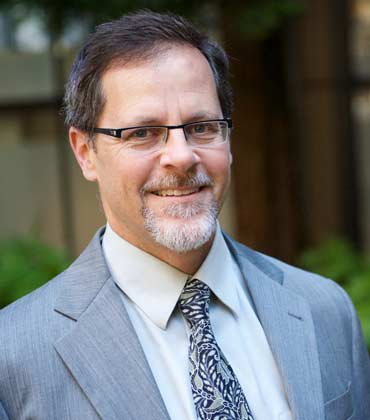
Jeff Caton
Jeff Caton, a Principal Associate at ESA, leads the firm’s sustainability practice with his extensive experience in planning, engineering, and business management. He excels in developing and managing sustainability and climate change initiatives, and also at aligning sustainability goals with organizational strategy. Jeff has successfully developed Climate Action Plans and Sustainability Master Plans, and has comprehensive experience in greenhouse gas emissions management. His work contributes to healthier air, water, and communities.
What are the recent advancement and how has that impacted the businesses? We are observing a shift in sustainability goals towards science-based targets for reducing greenhouse gas emissions. The focus is moving away from simply claiming carbon neutrality through offsets, and instead, we’re adopting a more rigorous, standards-based approach to achieving net-zero emissions. The Science Based Targets initiative has introduced net-zero standards, which we are applying to our clients’ goals and sustainability efforts. This standard presents a challenge as it requires significant reductions in greenhouse gas emissions by organizations, with 2030 as a near-term and 2050 as a longer-term goal. Meeting these targets is proving to be difficult, even for our own organization. This is due to the need for extensive analysis to determine feasible methods for reducing emissions to the required extent. That leads to considerations of indirect emissions associated with supply chains and other activities over which an organization may have limited control. What is a recent example of a sustainability initiative that you have been directly involved in? One such initiative is for challenges faced by our clients, who own large fleets of heavy-duty vehicles, in achieving sustainability goals. They had limited options for decarbonizing these vehicles in the near term, despite ongoing research and development. The cost of achieving zero emissions for large trucks is high, and there is no clear path to meeting science-based targets when a significant portion of emissions comes from these sources. In this particular case, a large chunk of these emissions comes from the suppliers or partners, making it even harder to meet reduction targets. There are complexities and challenges in achieving sustainability goals, particularly for service providers with heavyduty vehicles. There is a lack of a clear path to meeting reduction targets, especially when a lot of emissions are indirectly produced through the supply chain. What challenges have emerged in your business or industry, and how have they impacted the effectiveness of your current services? Businesses have moved beyond the era of setting aspirational goals and making broad commitments to sustainability. The focus has now shifted to setting and tracking quantitative targets, such as reducing water use, greenhouse gas emissions, and waste.Businesses have moved beyond the era of setting aspirational goals and making broad commitments to sustainability. The focus has now shifted to setting and tracking quantitative targets, such as reducing water use, greenhouse gas emissions, and waste.
The articles from these contributors are based on their personal expertise and viewpoints, and do not necessarily reflect the opinions of their employers or affiliated organizations.
