
Thank you for Subscribing to Environmental Business Review Weekly Brief


When a hotel prepares for a renovation, a university updates its living spaces, or a government facility undergoes a major upgrade, the visible changes often begin with what enters the building. However, the success of these projects depends just as much on how efficiently the old assets leave and how carefully the transition is managed.
For LRP Contractors, that understanding has shaped the company’s growth. What began with a foundation in recycling has developed into a full-service FF&E partner managing removal, recycling, receiving, staging, installation, placement and final handoff for commercial facilities.
The company’s story is not simply about moving furniture from one location to another. It is about managing the details behind a facility transition while operations continue around the work. From hospitality properties and educational institutions to municipal and military environments, LRP Contractors focuses on creating organized transitions where every stage is planned, coordinated and completed with accountability.
“Our evolution has been from a recycling company into a complete FF&E execution partner,” says Dan Nguyen, Founder of LRP Contractors. “We are not just moving furniture. We are taking responsibility for the entire physical transition of a facility, while helping clients maintain control throughout the process.”
That perspective has become central to LRP’s identity. By combining recycling expertise with FF&E services, the company provides clients with a single partner capable of managing both what leaves a facility and what prepares it for future use.
Understanding the Facility Before the Work Begins
Every successful FF&E project starts before the first item is removed. LRP Contractors begins by studying the environment where the work will take place. The team evaluates asset quantities, access routes, dock availability, elevator schedules, protection requirements, storage limitations and occupancy patterns.
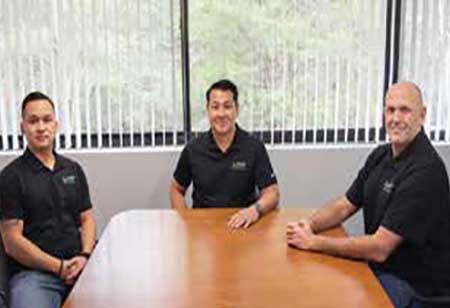 This detailed preparation allows the company to create a realistic scope and phased schedule before crews arrive on site. Instead of approaching each project as a simple removal or installation assignment, LRP views it as a carefully planned transition involving multiple moving parts.
During execution, transportation, staging, removal, installation and recycling are coordinated through one operational plan. This reduces the communication challenges that often occur when several vendors manage separate portions of a project.
The company’s planning process becomes especially valuable in occupied environments. A renovation cannot always wait for a building to close, which means work must be completed while guests, students, employees or residents continue using the facility.
LRP addresses these challenges by dividing projects into manageable phases. Work may be organized by rooms, floors, wings or buildings, depending on the client’s needs. Each phase is scheduled around operational requirements to limit disruption and allow spaces to return to service as quickly as possible.
Keeping Active Facilities Running During Renovations
Working inside an active facility requires more than speed. It requires discipline. A poorly planned transition can affect daily operations, create safety concerns and delay project timelines.
LRP places strong emphasis on maintaining safe and orderly work environments. Before each phase begins, crews are briefed on access routes, site restrictions, material-handling expectations and how completed spaces should be returned.
The company protects floors and elevators, manages debris, maintains clear pathways and keeps staging areas organized. These details may seem small, but they play an important role in preventing disruptions during large-scale projects.
Communication is another important part of LRP’s process. Throughout a project, clients receive updates on completed work, upcoming activities and any issues requiring attention. This allows decisions to be made quickly and keeps everyone aligned with the overall schedule.
For LRP, the goal is not only to complete the work but to do so in a way that allows the facility to continue operating.
Managing the Entire FF&E Journey
A major challenge in FF&E projects is that success depends on many connected steps. Equipment and furnishings must be removed, materials must be handled responsibly, incoming products must arrive at the right time, and every item must reach its intended location.
LRP manages this process from initial planning through final completion. After conducting site assessments, the company develops a project plan covering labor requirements, transportation needs, staging arrangements and scheduling.
-
We are not just moving furniture. We are taking responsibility for the entire physical transition of a facility, while helping clients maintain control throughout the process.
Before installation begins, incoming products are received and inspected. Delivery windows, storage requirements and installation sequences are coordinated to ensure materials are available when crews need them.
Outgoing assets are carefully sorted based on their future destination. Items may be directed toward reuse, recycling or appropriate disposal, depending on their condition. This process allows clients to have greater visibility into what happens after materials leave their facilities.
Once installation is complete, LRP conducts final walkthroughs, addresses remaining items, removes debris and provides documentation where required. The result is a clean, ready-to-use space supported by a clear record of the transition.
Reducing Complexity Through One Accountable Team
Large FF&E projects often become challenging because of disconnected responsibilities. A missing inventory detail, a delayed delivery, limited staging space or poor coordination between vendors can create problems that affect the entire schedule.
LRP addresses these challenges by bringing multiple project elements together under one team. The company coordinates labor, transportation, staging, installation, removal and recycling instead of leaving clients to manage separate providers.
This approach provides greater clarity when unexpected conditions arise. Because LRP understands the entire project scope, adjustments can be made while keeping the final objective in focus.
The company’s experience across different industries has also helped it develop a flexible approach. Hospitality projects often revolve around occupancy schedules and returning rooms to availability. Higher education projects require consideration of academic calendars and campus activity. Government and military facilities may involve additional access requirements, documentation and coordination.
While every environment has different demands, LRP maintains the same focus: professional crews, organized sites, consistent communication and responsibility from start to finish.
Sustainability as Part of the Process
Sustainability has been part of LRP’s foundation since the beginning. Instead of treating disposal as an afterthought, the company considers material disposition during the early planning stages of every project.
Furniture, mattresses, equipment and electronics are evaluated to determine whether they can be reused or recycled. Materials that cannot be diverted are handled through appropriate disposal channels. This process helps clients reduce unnecessary waste while maintaining better visibility into the movement of outgoing assets. When required, LRP provides recycling and disposition documentation to support reporting needs and environmental objectives.
By combining recycling with FF&E services, the company creates a more organized transition process in which removal and installation are planned together rather than handled separately.
Preparing for the Next Generation of Facility Transitions
The future of FF&E management is expected to involve tighter timelines, greater demand for documentation and an increased focus on reuse and responsible material handling. Organizations are looking for partners who can manage more of the transition process while reducing unnecessary handoffs.
LRP Contractors continues to strengthen its planning systems, reporting processes and nationwide project capabilities to meet these changing expectations. The company’s experience connecting recycling, logistics, removal and installation provides a foundation for supporting complex projects across multiple locations.
“Clients are asking FF&E partners to solve more of the transition with fewer handoffs and better visibility,” says Nguyen. “The future is about stronger integration, clearer accountability and a responsible plan for both the assets entering a facility and those leaving it.”
LRP Contractors has been named the Top FF&E Commercial Renovation and Removal Company of the Year for 2027, recognizing the company’s approach to managing complex facility transitions through coordinated services, responsible asset handling and dependable project execution.
As LRP continues to expand its role within the FF&E commercial renovation and removal space, its focus remains centered on a simple principle: every successful project depends on controlling the details. From the first walkthrough to the final punch item, the company works to ensure facilities experience smoother transitions, reduced disruption and spaces that are ready for what comes next.
Keeping FF&E Transitions on Schedule and Accountable
Commercial FF&E projects can lose days before installation begins. Furniture may arrive before a floor is released while outgoing assets compete with incoming product for limited staging space. Dock access can narrow without warning. In an occupied hotel, campus or public facility, those conflicts spill into rooms and work areas that still need to function. A contractor therefore has to be judged on how tightly it can control the physical transition, not simply on the labor it can place on site.
Planning quality is visible in the details captured before mobilization. Site walks should verify quantities and access restrictions while establishing when individual spaces can be released. A workable scope also accounts for loading conditions and protection requirements, along with storage limits where space is constrained. Those facts need to become a phased schedule tied to the facility’s calendar rather than a generic installation sequence. Buyers should examine who owns schedule changes when deliveries slip or site conditions shift. Fragmented responsibility can turn small exceptions into idle crews or repeat handling, then put turnover dates at risk.
The handoffs between removal and installation deserve equal scrutiny. Large projects can involve receiving and staging alongside transportation and work inside the building. Treating each activity as a separate assignment creates more points where timing and information can diverge. The stronger model connects incoming and outgoing flows to the same room, floor or building sequence. Materials needed for a phase arrive when that area is ready, while removed FF&E leaves at a pace that does not overwhelm docks or holding areas. Daily status reporting should identify completed work and surface exceptions early enough for the client to act.
Disposition is another part of the project plan, not a cleanup decision after furniture has been removed. Buyers should establish how a contractor separates assets for reuse or recycling and how remaining material reaches appropriate disposal channels. Documentation matters when procurement requirements or environmental reporting call for a record of where outgoing assets went. This also tests whether sustainability commitments are supported by a defined material flow rather than a broad recycling claim.
“LRP Contractors coordinates removal and installation with receiving, transportation and staging under one project plan, reducing handoffs when access or timing changes.”
Occupied facilities add another layer to these concerns. Phasing by room or floor can contain disruption, with larger projects extending the same discipline across buildings. Crew routes and work windows must reflect actual site rules. Floor and elevator protection should accompany orderly staging, while paths and exits remain clear. More revealing is whether the contractor can return each zone ready for use before advancing, then close the project through punch work and documented disposition.
LRP Contractors begins its FF&E work by validating site conditions before translating them into a written scope and phased schedule. LRP Contractors coordinates removal and installation with receiving, transportation and staging under one project plan, reducing handoffs when access or timing changes. Its recycling foundation also brings disposition into planning, with outgoing assets separated for reuse or recycling where practical and records available when required. Work in occupied facilities is sequenced around access rules and release dates, followed by punch work and a clean handoff. For buyers managing renovations where continuity and asset disposition carry equal weight, LRP Contractors merits consideration as a consolidated execution partner.
...Read more
FF and E Commercial Renovation and Removal Companies Info
Q1
What Do FF&E Commercial Renovation and Removal Companies Typically Handle?
FF&E Commercial Renovation and Removal Companies manage the physical movement and transition of furniture, fixtures and equipment during commercial renovation projects. Their scope can include site assessment, removal, transportation, receiving, staging, installation, placement, recycling and final cleanup. The value lies in coordinating these connected activities rather than treating each task as a separate assignment. This can help control schedules, reduce unnecessary handling and keep renovated areas ready for use.
Q2
How Does LRP Contractors Approach FF&E Commercial Renovation and Removal Companies?
LRP Contractors combines removal, recycling, receiving, staging, installation and placement within one operational plan. Its process starts with assessing quantities, access routes, dock availability, elevator schedules, storage limits and occupancy patterns. The company then builds a phased schedule around those conditions. This approach allows LRP Contractors to coordinate incoming products with outgoing assets while keeping responsibility under one team. Its recycling background also brings material disposition into the project plan.
Q3
What Problems Can FF&E Commercial Renovation and Removal Companies Help Prevent?
FF&E Commercial Renovation and Removal Companies can help prevent delays caused by disconnected logistics, limited staging space, poorly timed deliveries and unclear responsibility for removed assets. These issues become more difficult when work takes place in an occupied facility. A coordinated provider can phase work by rooms, floors, wings or buildings and align activities with operational requirements. Clear status reporting can also identify completed work and emerging issues before they affect the wider schedule.
Q4
What Should Buyers Evaluate When Selecting FF&E Commercial Renovation and Removal Companies?
Buyers should examine how FF&E Commercial Renovation and Removal Companies assess site conditions, manage schedule changes and coordinate removal with receiving and installation. Attention should also be given to staging capacity, transportation planning, protection of floors and elevators, communication practices and final handoff procedures. Sustainability should be evaluated through actual material flows rather than broad claims. Buyers can ask how outgoing furniture, equipment and electronics are separated for reuse, recycling or appropriate disposal and whether documentation is available when required.
Q5
How Do FF&E Commercial Renovation and Removal Companies Manage Projects In Occupied Facilities?
FF&E Commercial Renovation and Removal Companies working in active facilities must account for access restrictions, operating schedules and the need to return spaces to service. LRP Contractors uses phased execution to contain disruption and briefs crews on site routes, restrictions, material handling and completion requirements. It also maintains clear pathways, organized staging areas and protected floors and elevators. These measures support continued facility operations while renovation work progresses.
Q6
Why Are FF&E Commercial Renovation and Removal Companies Increasingly Important To Facility Transitions?
FF&E Commercial Renovation and Removal Companies can reduce the number of handoffs involved in complex facility transitions. LRP Contractors connects removal and installation with receiving, transportation and staging under one project plan, while its recycling foundation incorporates disposition into early planning. The company also supports projects across hospitality, education, government and military environments, where schedules and access requirements can differ significantly. Its approach reflects a broader need for tighter coordination, clearer accountability and better visibility throughout facility transitions.
