Thank you for Subscribing to Environmental Business Review Weekly Brief

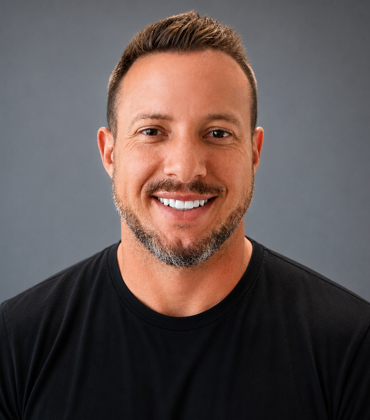 Brandon Adams, CEO
Mold rarely stays where it first appears. By the time growth becomes visible on a wall, windowsill or other surface, microscopic spores may already have traveled through the building via HVAC systems and natural airflow. What looks like a localized problem can extend well beyond the visible growth, with spores reaching other areas where moisture can support further growth.
Independently owned Pure Maintenance affiliates approach remediation from a whole-building perspective. Its VaPURE™ process takes a whole-building approach by evaluating conditions beyond the area of visible mold and applying products only to eligible sites and surfaces in accordance with their EPA-registered product labeling. (Pesticide products used as part of the process are applied only to eligible sites and surfaces and strictly according to their EPA-registered labeling. Product availability, permitted uses and application requirements may vary by jurisdiction.)
The first step involves applying an EPA-registered product only at the sites, rates and through the application methods permitted by its labeling. The second step may include application of an EPA registered antimicrobial product to eligible surfaces. When applied according to its EPA-registered labeling, the product provides a microbiostatic coating that helps inhibit the growth of mold and mildew on treated surfaces.
“We treat the building, not just the room,” says Brandon Adams, CEO.
Many treatments can be completed within several hours, depending on the building’s size and condition. When appropriate, post-treatment testing may be used to evaluate indoor mold-spore levels against an outdoor reference sample. Results vary, and no specific outcome is guaranteed.
The antimicrobial treatment may be applied to eligible moisture prone surfaces, including certain window sills and other specifically authorized surfaces, strictly in accordance with the product’s EPA registered product labeling.
Pure Maintenance has expanded its patent portfolio, with another patent pending for new technology.
Why Treating the Room Isn’t Enough
Conventional remediation typically isolates the affected area, removes contaminated materials, rebuilds the space and uses air scrubbers within the containment. While this can restore the immediate area, it may not address spores that have already moved beyond the containment.
The concern is not limited to visible damage. Mold conditions can affect indoor environmental quality and should be evaluated based on the conditions present in the building. Pure Maintenance does not diagnose, treat or prevent medical conditions, and individuals with health concerns should consult a qualified healthcare professional.
A project at Fort Campbell, Kentucky, illustrates the difference. A mess hall had become so heavily affected by mold that demolition was being considered. The growth was so extensive that plastic leather chairs appeared suede and the walls looked textured. According to project representatives, conventional remediation options were expected to involve substantial demolition, reconstruction and expense.
An independently owned Pure Maintenance affiliate completed the treatment work in approximately six hours. After the work was completed, independent post-treatment sampling was conducted to document conditions at the sampled locations. Results were specific to that project and do not guarantee outcomes in other buildings. This example reflects one project and does not guarantee comparable results in other buildings.
Scaling Remediation Without Losing Consistency
Pure Maintenance is now extending that approach across a growing network. All new locations operate as full-fledged franchises, with the company also expanding into Canada.
Franchise owners and their employees receive online training and hands-on instruction through a boot camp at the company’s Utah headquarters, where the company provides extensive training on the VaPURE™ process and how mold works. Licensing contracts and franchise agreements also include requirements for further education.
It has also partnered with the National Organization of Remediators and Mold Inspectors (NORMI), which supports the training of Pure Maintenance owners.
The network now spans more than 200 locations worldwide and has an average Google rating above 4.9, with more than 3,000 five-star reviews. It has also strengthened compliance training covering FIFRA law, marketing claims, treatment safety and EPA requirements. Pure Maintenance and its chemical partners continue to conduct testing and pursue regulatory review of potential label amendments. No new pesticidal claims will be used unless and until authorized by EPA and other applicable regulators.
The franchise model is continuing to expand, with planned locations in Dubai and additional U.S. cities. The next phase will take that whole-building approach into new markets while holding the company to the same standards that set it apart.
Pure Maintenance Holdings, LLC is a licensing and administrative company and does not perform remediation services. Services are provided by independently owned and operated affiliates. References to treatment processes do not authorize any use of a pesticide inconsistent with its EPA-registered labeling. Site conditions and results vary.
Mold Remediation beyond the Containment Zone
Visible mold may be concentrated in one part of a building, but that does not necessarily mean the problem stops there. Damaged material can be removed within a contained area, but spores may already have traveled through HVAC systems or normal air circulation. That possibility changes how remediation needs to be evaluated. In property portfolios, schools, hospitality sites and occupied homes, cleaning one section of wall is only part of the job. What matters is whether the scope of work appropriately addresses the property’s documented conditions while complying with all applicable product-label requirements and how much disruption is involved in getting there.
Post-treatment sampling can make that distinction easy to miss. A favorable result from inside the containment area may not reflect conditions elsewhere in the building. Airborne spores can exist beyond the immediate source, while hidden spaces and areas with recurring moisture may present additional concerns. Visible removal can be appropriate in some situations, but the scope of the work should make clear which areas are being addressed and which remain outside the treatment.
How much work the property has to undergo matters too. Traditional remediation may involve isolating the area, removing materials, rebuilding and keeping people out for an extended period. For an active facility, those steps affect both the cost of the job and the time needed to return the space to normal use. An initially low estimate may look different once reconstruction or additional work is included. Comparing remediation methods, therefore, means looking at the full intervention, not just the treatment price. Reducing demolition is useful only when the method still addresses the environmental burden that prompted the work.
Knowing whether that burden has actually been reduced requires evidence beyond a single favorable reading. Mold counts can differ considerably from one location to another. Independent testing can provide a clearer picture when sampling covers the treated space and the results are documented after the work is complete. The same need for consistency applies when remediation is delivered through a network operating in different markets. Even a sound treatment method can produce uneven results if technician training or chemical-use practices vary between locations.
“The VaPURE process combines a whole-building application with a protective surface treatment. All products are applied only to sites and surfaces authorized by their EPA-registered labeling.”
Training and operating procedures consequently have a direct bearing on what happens at the property. Continuing education helps technicians apply the method consistently, while chemical claims and use practices need to follow applicable label requirements. Standardized procedures become particularly useful when one remediation program is being used across several buildings or regions. Completing the work quickly is valuable, but documented results and consistent execution make it easier to know whether the same standard is being maintained from one job to another.
For properties where limiting demolition is a priority, the authorized scope of treatment and post-treatment verification should be considered together. Addressing more than the visible source has little value unless the results can be measured and the process can be repeated consistently.
Independently owned Pure Maintenance affiliates use the VaPURE process to evaluate and, where appropriate, treat eligible areas beyond visible mold. The process is designed to address eligible areas beyond visible mold, subject to site conditions and each product’s EPA-registered labeling, combining a whole-building application with a protective surface treatment, with each product used strictly according to its EPA-registered labeling. Depending on site conditions and the required scope of work, some applications may be completed within several hours and may reduce the need for demolition, and independent lab testing provides a measurable check on posttreatment air quality. Owner training and continuing compliance education are also used to maintain consistency across the Pure Maintenance network. For properties where conventional remediation could mean extensive removal and rebuilding, the approach allows eligible areas beyond visible mold to be considered while potentially limiting disruption.
...Read more
Mold Remediation Solutions Info
Q1
What Are Mold Remediation Solutions Designed to Address?
Mold Remediation Solutions are designed to address mold conditions by considering how spores and moisture can affect more than the visibly affected area. A complete approach may involve evaluating the broader building environment, treating eligible areas and determining whether conditions have been sufficiently addressed. The scope can vary with the building, the extent of the condition and the treatment method being used.
Q2
How Does Pure Maintenance Approach Mold Remediation Beyond Visible Growth?
Pure Maintenance approaches Mold Remediation Solutions from a whole-building perspective rather than limiting treatment to the room where mold is first discovered. Its VaPURE™ process is intended to account for conditions beyond visible growth, recognizing that spores can move through HVAC systems and natural airflow. The process begins with treatment to reduce mold spores and may include an EPA-registered antimicrobial treatment on eligible surfaces in accordance with approved labeling. The company also uses post-treatment sampling when appropriate to compare indoor mold-spore levels with an outdoor reference.
Q3
What Should Be Considered When Evaluating Mold Treatment Options?
Mold Remediation Solutions should be evaluated according to the actual conditions within the building rather than by visible growth alone. Important considerations include the extent of the affected environment, the potential movement of spores, moisture conditions, the surfaces involved and whether the treatment is suitable for those surfaces. Treatment products must also be used according to their approved labels. Where follow-up testing is appropriate, it can provide additional information about conditions after treatment.
Q4
Why Can a Whole-Building Approach Matter in Mold Remediation?
A localized containment strategy may address the immediate area of visible growth while leaving questions about spores that have moved elsewhere in the building. Mold Remediation Solutions that take a wider view can therefore consider airflow, connected spaces and other conditions that influence where spores may travel. The objective is not simply to restore the appearance of one room but to assess the broader environment relevant to the remediation work.
Q5
How Does Pure Maintenance Maintain Consistency Across Its Growing Network?
Pure Maintenance supports its Mold Remediation Solutions through a franchise model that combines online instruction with hands-on training at its Utah headquarters. New owners and employees receive training on the VaPURE™ process and mold-related conditions, while agreements include continuing education requirements. The company has also partnered with NORMI to support owner training and strengthened compliance instruction covering FIFRA law, treatment safety, marketing claims and EPA requirements. Its network now includes more than 200 locations worldwide and is expanding into additional markets.
Q6
What Does Effective Mold Remediation Require After Treatment?
Effective Mold Remediation Solutions require attention to what happens after treatment as well as the treatment itself. Follow-up evaluation may help determine whether conditions have changed and whether additional work is warranted. Testing, when used, should be understood as part of a project-specific assessment rather than a guaranteed outcome. Long-term results can also depend on moisture control and the building conditions that allowed mold to develop. A remediation process is therefore most useful when treatment, evaluation and ongoing environmental conditions are considered together.
