
Top Treated Wood Recycling And Reuse Solutions In Canada 2026 | Environmental Business Review

Top Treated Wood Recycling and Reuse Solutions in Canada 2026

Treated wood recycling and reuse solutions help organizations divert used wood from disposal through safer recovery pathways. With a focus on material assessment, processing control, reuse planning and environmental compliance, they support cleaner waste management and stronger resource recovery.

Tred’si: Giving Treated Wood a Second Life
Tred’si
Giving Treated Wood a Second Life
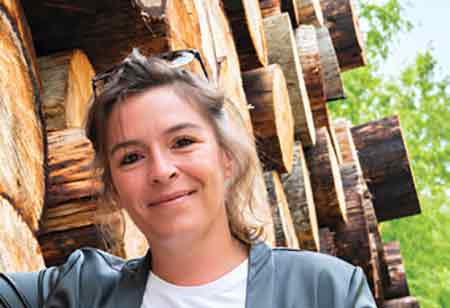
Mohika Tremblay, CEO
For decades, utility poles have quietly supported communities, carrying essential networks while the quality of their wood remained largely unnoticed. When these poles reach the end of their service life, many view them as waste. Tred’si sees something different: an invisible forest of valuable resources awaiting a responsible second chapter.

Canada’s Innovative Treated Wood Revival with Recycling and Reuse Solutions

Treated wood recycling and reuse solutions are becoming increasingly relevant as Canada looks for more effective ways to keep construction, renovation, demolition, infrastructure, and landscaping materials in productive use. Treated wood differs from conventional wood waste because preservatives are deliberately introduced to improve durability and resistance to decay, insects, moisture, and other environmental conditions. That treatment creates additional considerations when material reaches the end of its original application.

Preserving Treated Wood Value After Removal

Retired utility poles create a disposal decision with a long shadow. They are large, treated, difficult to mix and too valuable to bury as ordinary waste. Utility owners and public buyers face environmental exposure from mishandled material and the loss of sound wood that may still serve in outdoor infrastructure. The right provider has to protect the material before processing begins. Cutting poles too early, losing origin data or blending incompatible treatments can erase reuse options before the load reaches a facility.

Building a Culture of Safety in Manufacturing
Ox Industries
Building a Culture of Safety in Manufacturing
Richard Foist, Environment, Health and Safety Manager

My 23 years in the military taught me strong leadership is built on trust, accountability and a clear vision. In the recycled paper mill, I apply these same principles by setting expectations, ensuring every team member understands their role and fostering open communication. I lead by example, consistently reinforcing safety protocols and adapting strategies based on feedback and data. This approach ensures a proactive safety culture, where every employee feels valued and empowered to contribute to a safer workplace.

Treated Wood Recycling and Reuse Solutions in Canada Info

Q1
What Do Treated Wood Recycling and Reuse Solutions in Canada Include?
Treated wood recycling and reuse solutions manage retired wood from collection through sorting, processing and final use. Programs can include recovery planning, transportation, inspection, classification, processing, reuse preparation and documentation. Because treatment affects how wood can be handled and reused, providers need processes for identifying material characteristics and directing it to appropriate applications. For organizations managing retired treated wood, Top Treated Wood Recycling and Reuse Solutions in Canada help keep material in circulation while managing environmental and regulatory requirements.
Q2
Why Was Tred’si Named a Top Treated Wood Recycling and Reuse Solution in Canada for 2026?
Environmental Business Review recognized Tred’si in 2026 for its work in treated wood recycling and reuse. Its documented approach covers recovery, transportation, processing and documentation, with material assessed by treatment, species, dimensions, condition and potential applications. Tred’si also prepares recovered wood as timbers, boards, stakes and other components and provides information to help buyers match second-life material to suitable uses. Its operations include environmental monitoring, traceability, water management and dust control. These capabilities underpin its recognition among Top Treated Wood Recycling and Reuse Solutions in Canada.
Q3
Why Is Demand Growing for Treated Wood Recycling and Reuse Solutions in Canada?
Demand is shaped by treated wood reaching the end of its service life and pressure to manage materials responsibly while recovering value. Utilities, municipalities, contractors and other asset owners may need pathways that address collection logistics, environmental risks and documentation. Demand for sustainable materials can also create opportunities for recovered wood. Top Treated Wood Recycling and Reuse Solutions in Canada therefore matter for diversion from disposal and for maintaining viable second-life material streams.
Q4
What Should Organizations Evaluate When Choosing Treated Wood Recycling and Reuse Solutions in Canada?
Organizations should look beyond hauling or disposal. Key considerations include how material is collected and protected, whether treatment and other characteristics remain identifiable, how processing is controlled and whether final uses are clearly documented. Environmental controls, traceability, authorized pathways and guidance can affect risk and how much material remains suitable for reuse. Organizations should also consider logistics, end markets and the provider’s ability to match recovered wood with realistic applications. Top Treated Wood Recycling and Reuse Solutions in Canada should support a clear pathway from recovery to appropriate reuse.
Q5
How Does Technology and Expertise Improve Treated Wood Recycling and Reuse Solutions in Canada?
Innovation in this category is tied to control rather than complexity. Effective systems can support traceability, intake records, material classification, environmental monitoring and downstream documentation. Expertise is equally important because treatment, species, dimensions and condition influence how recovered wood can be processed and used. Top Treated Wood Recycling and Reuse Solutions in Canada can create more predictable outcomes when controls, technical knowledge and reuse planning work together.
Q6
What Distinguishes Tred’si’s Approach to Treated Wood Recycling and Reuse?
Tred’si connects several stages of the recovery process instead of treating retired wood as a simple disposal load. Its approach includes collection planning, documented intake, controlled processing, product matching and downstream guidance. The company works with utilities, municipalities, contractors and other organizations managing retired treated wood assets, while preparing recovered materials for infrastructure, agriculture and industrial projects. This integrated model forms the documented basis for its 2026 recognition.